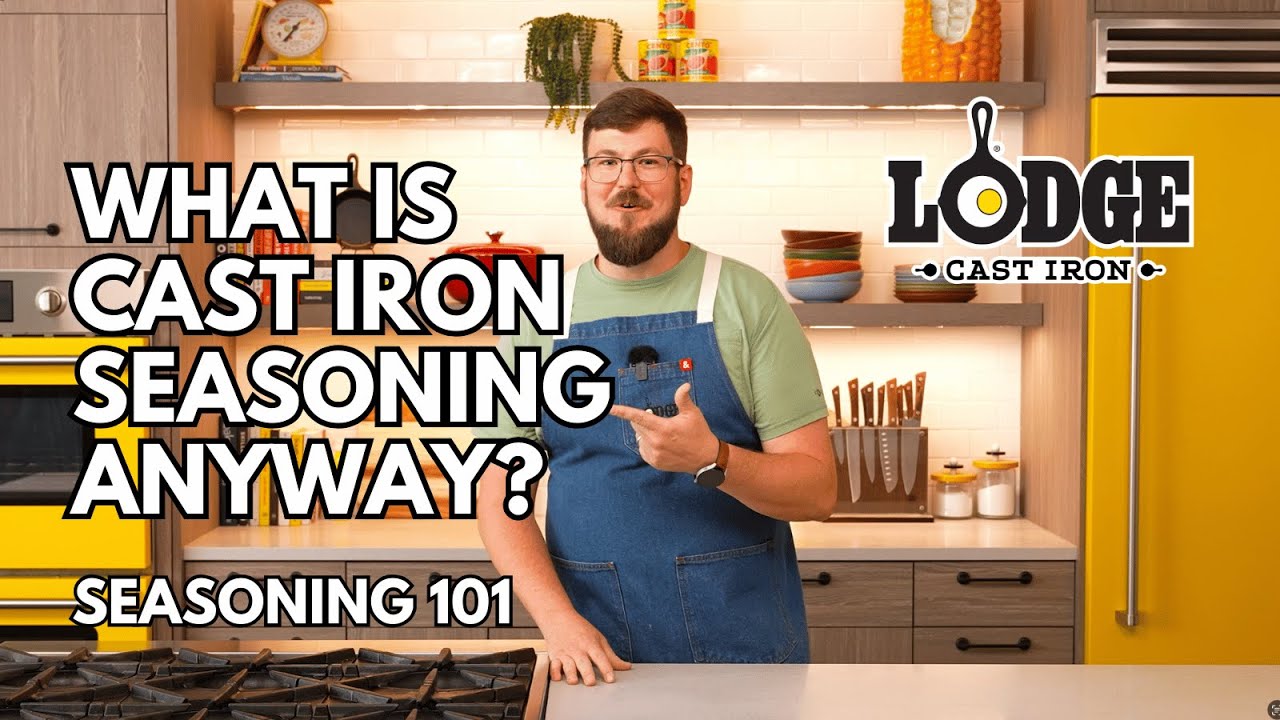
The Enduring Charm of Cast Iron: A Legacy of Flavor and Function
There’s a unique satisfaction that comes with cooking on a well-seasoned cast iron skillet. For generations, these robust pieces of cookware have been the cornerstone of countless kitchens, passing down not just practical utility but also cherished memories. From the tantalizing aroma of a perfectly seared steak to the comforting warmth of a bubbling casserole, food cooked in cast iron simply tastes better. It's more than just a pan; it's an heirloom, a connection to the past, and a promise of delicious meals for the future.
Many of us are fortunate enough to inherit these treasured pieces—a skillet from a grandmother, a Dutch oven from a great-aunt—each bearing stories and flavors from meals gone by. These aren't just old pots and pans; they are priceless artifacts of family history, demanding respect and proper care to ensure they continue their journey for generations to come. While their durability is legendary, their true magic, and their effortless non-stick performance, lies in understanding
cast iron 101: how to season cast iron.
Understanding the Magic of Cast Iron Seasoning
Before diving into the "how-to," let's demystify what seasoning actually is and why it's so vital for your cast iron. Seasoning isn't a coating that you apply once and forget; it’s a living, evolving layer built up over time through a process called polymerization. When oil or fat is heated to its smoke point on the surface of cast iron, it breaks down and reforms into a hard, plastic-like layer that bonds chemically to the metal. This polymerized fat creates a naturally slick, non-stick surface that also acts as a protective barrier against rust, which is cast iron’s only true enemy.
A properly seasoned piece of cast iron provides a superior cooking experience. It conducts and retains heat exceptionally well, ensuring even cooking and beautiful browning. It's also remarkably versatile, moving seamlessly from stovetop to oven to campfire. Plus, in a world increasingly conscious of chemical-free cooking, cast iron stands out as a healthy, natural, and incredibly durable alternative to modern non-stick coatings. To truly
Unlock Non-Stick Power: The Essential Cast Iron Seasoning Guide, understanding this fundamental process is key.
Cast Iron 101: A Step-by-Step Guide to Seasoning Your Skillet
Whether you’ve just acquired a new, unseasoned piece, or you're restoring an antique full of history (and perhaps some rust!), the seasoning process is a foundational skill for every cast iron owner. Here’s your comprehensive guide to getting it right:
Step 1: Deep Cleaning Your Cast Iron
The first and most crucial step is to ensure your cast iron is absolutely clean, free from any rust, grime, or old, flaky seasoning. This is especially true for vintage pieces.
- Good Old-Fashioned Scrubbing: For most pieces, a thorough scrubbing with hot water and a stiff brush or non-abrasive scrubber is sufficient. Contrary to popular myth, a little mild dish soap is fine for modern cast iron and won't strip away well-established seasoning, though it's best to avoid harsh detergents or steel wool. Focus on removing any sticky residue or food particles. For stubborn rust, you can use a fine steel wool pad or a specialized cast iron chain mail scrubber, but be prepared to re-season afterward.
- Vinegar Bath for Rust: For moderate rust, a 50/50 solution of white vinegar and water can work wonders. Submerge the rusty areas (or the entire piece) for no more than an hour, checking frequently. The acid in the vinegar will dissolve the rust. Immediately after, scrub thoroughly to remove any loosened rust, then rinse and dry.
- Sandblasting for Extreme Cases: If you have a heavily encrusted or rusted antique that scrubbing won't touch, professional sandblasting (specifically the "walnut shell" method, which is gentler than traditional sand) can strip it clean. Seek out local collision centers or specialized restoration shops. This will leave the iron bare and require immediate, thorough seasoning.
- Oven Self-Clean Cycle (Use with Caution): Some enthusiasts use their oven's self-clean cycle to strip away old seasoning and rust. Place the cast iron upside down with a foil-lined baking sheet below to catch drips. While effective, this method generates extreme heat (often 900°F or more), which can potentially warp thinner pieces of cast iron, create strong fumes, and even damage your oven’s elements if not used carefully. Proceed with extreme caution and only if other methods fail.
Step 2: Thorough Drying – The Crucial Prep
Once your cast iron is clean, it's vital to get it *bone dry* immediately. Any residual moisture will lead to rust, undoing all your hard work.
- Wipe and Heat: After rinsing off any cleaning remnants, wipe the piece thoroughly with a clean cloth or paper towel. Then, place it on your stovetop over low to medium heat for several minutes. This will evaporate any lingering moisture, ensuring it's completely dry before you move to the next step. You’ll often see a slight grayish tint as the last of the water burns off.
Step 3: The Thin Coat – Applying the Right Oil
With your cast iron warm to the touch (but not too hot to handle), it’s time to apply the seasoning oil. The key here is *thinness*.
- Choose Your Oil: Popular choices include vegetable shortening, lard, grapeseed oil, canola oil, or even dedicated cast iron seasoning oils. These have relatively high smoke points and polymerize effectively. Flaxseed oil is another option, known for creating a very hard, durable seasoning, though some find it can be prone to flaking initially.
- Apply Sparingly: Using a paper towel, rub a very thin, even layer of your chosen oil over the *entire* piece—inside, outside, handle, and even the bottom.
- Wipe Off Excess: This is arguably the most important part of this step. After coating, grab a fresh, clean paper towel and vigorously wipe off *all* the excess oil. You want it to look like there's no oil left, just a faint sheen. If you leave too much oil, it will become sticky, gummy, and uneven when baked, rather than forming a hard, smooth seasoning. "If you think you've wiped enough, wipe it again."
Step 4: The Polymerization Bake
This is where the magic happens – the oil transforms into the hard, non-stick seasoning layer.
- Preheat Your Oven: Preheat your oven to a high temperature, typically between 450°F to 500°F (230°C to 260°C).
- Bake Upside Down: Place the oiled cast iron upside down on the middle rack of your preheated oven. This helps any remaining excess oil drip off. Place a sheet of aluminum foil or an old baking sheet on the rack below to catch any drips.
- Bake and Cool: Bake for one hour. After one hour, turn off the oven and let the cast iron cool completely inside the oven. This slow cooling helps the seasoning set properly and prevents thermal shock to the iron.
- Repeat for Best Results: For optimal, durable seasoning, especially on newly cleaned or restored cast iron, repeat the oiling and baking process 3-5 times. Each layer contributes to a stronger, more non-stick surface. To Preserve Your Legacy: Essential Cast Iron Seasoning Steps, patience and repetition are key.
Maintaining Your Non-Stick Legacy: Ongoing Care Tips
Once you've achieved a beautifully seasoned piece, ongoing care is relatively simple and will further enhance its non-stick properties.
- Clean After Each Use: Immediately after cooking, clean your cast iron. Hot water and a stiff brush or chain mail scrubber are usually enough. For stuck-on bits, use a little coarse salt as an abrasive. Avoid harsh soaps or steel wool that can strip seasoning.
- Dry Thoroughly: Always dry your cast iron immediately after washing. Place it back on the stovetop over low heat for a few minutes until completely dry.
- Light Re-oiling: While still warm, you can rub a very thin layer of oil (like the one you used for seasoning) over the surface before storing. This helps protect against rust and builds up the seasoning over time.
- Proper Storage: Store your cast iron in a dry place. If stacking, place a paper towel between pieces to prevent scratching and absorb any moisture.
- Cook Often: The best way to maintain and improve your seasoning is to simply cook with it regularly, especially with fats. Every time you cook with oil, you're essentially adding another micro-layer of seasoning.
Embrace the Cast Iron Journey
Caring for your cast iron doesn't have to be a daunting task. By understanding the simple principles of seasoning and following these straightforward steps, you can transform any piece of cast iron into a non-stick powerhouse that will serve your family for generations. There's immense joy in cooking with a skillet that has stood the test of time, developing a deep, dark patina and a naturally non-stick surface under your care. So embrace the legacy, cook with confidence, and savor the incredible flavors that only well-loved cast iron can deliver.